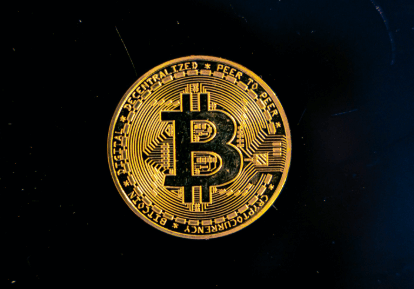
The cryptocurrency market has entered one of its most turbulent phases in recent memory, marked by a steep downturn and an intense wave of liquidations that swept through major exchanges. Bitcoin, Ethereum, and a wide range of altcoins saw sudden downward pressure as over-leveraged positions collapsed, triggering a cascade effect that accelerated the market’s plunge.
Analysts report that liquidations reached extremely high levels across centralized derivatives platforms. Many traders had been operating with excessive leverage during the recent period of optimism, leaving their positions vulnerable to even moderate pullbacks. Once prices began dropping, automated liquidation systems rapidly closed out leveraged longs, compounding the volatility and deepening the sell-off.
Bitcoin, the market’s benchmark asset, was hit particularly hard. As selling pressure intensified, a large number of long positions were forced to unwind. This created a domino effect in which liquidation-driven sell orders pushed prices even lower, resulting in further liquidations. Ethereum experienced similar behavior, with leveraged traders exiting the market at a rapid pace as funding rates flipped and sentiment deteriorated.
Market observers highlight that this type of liquidation cascade is not unusual during high-risk trading cycles, especially when traders rely heavily on margin. When leverage becomes an essential part of market activity, even small price movements can trigger oversized reactions. This amplifies losses and creates sharp, sudden declines that ripple across the entire ecosystem.
The downturn affected altcoins even more dramatically. Many smaller tokens, which had enjoyed quick gains during recent speculative runs, saw double-digit losses in a matter of hours. Their lower liquidity made them even more susceptible to aggressive liquidations, causing exaggerated price swings and widespread panic selling. For some projects, the drop erased weeks or even months of upward momentum.
Despite the severity of the decline, some analysts argue that this reset could be healthy for the broader market. High leverage often masks the true strength of demand, and a liquidation flush can clear out excessive speculation, making room for more sustainable price action. From this perspective, the current environment may help prevent an even bigger, more destructive bubble from forming.
Others, however, caution that confidence has been shaken. Sentiment indicators show a rapid shift toward fear, with traders moving funds into stablecoins or exiting the market entirely. This kind of emotional swing could keep volatility elevated and delay any potential recovery.
In the aftermath of the sell-off, attention now turns to key support zones for major cryptocurrencies. Traders are watching closely to see whether buying interest returns or if downward momentum continues. While the long-term outlook for digital assets remains the subject of debate, one thing is clear: the latest liquidation wave serves as a stark reminder of the risks that accompany leverage-driven markets.
As the dust settles, the crypto industry faces a critical moment. Will this shock act as a catalyst for renewed stability, or is it a sign of deeper uncertainty ahead? Market participants across the world are waiting for the next move — and preparing for the possibility of further turbulence.
Disclaimer: This article is for informational purposes only and is not investment advice. Investors should research carefully before making any decisions. We are not responsible for your investment decisions.