Bitcoin has recently shown signs that selling pressure across the market is beginning to ease, raising questions about whether the world’s largest cryptocurrency could be preparing for a renewed upward move. While price action has remained relatively cautious, several on-chain and market indicators suggest that the intensity of recent sell-offs may be weakening.

One of the most closely watched signals comes from on-chain data related to long-term holders. Metrics such as Coin Days Destroyed and spent output age bands indicate that fewer older coins are being moved. This behavior typically suggests that long-term investors, often referred to as “strong hands,” are choosing to hold rather than sell, even during periods of uncertainty. Historically, reduced selling from this group has often preceded periods of price stabilization or recovery.
In addition, exchange inflow data shows a slowdown in the amount of Bitcoin being transferred to centralized trading platforms. Since coins are usually moved to exchanges with the intention of selling, lower inflows can imply that immediate selling pressure is declining. This trend may help relieve downward pressure on price, especially if demand remains steady or improves.
Another important factor is the behavior of large holders, commonly known as whales. Recent data suggests that large-scale distributions have slowed compared to earlier phases of the correction. Instead of aggressively reducing positions, many large wallets appear to be in a holding or accumulation phase. This shift can reduce sudden supply shocks that often trigger sharp price drops.
From a derivatives market perspective, funding rates and open interest levels also point to a cooling of bearish sentiment. Excessive leverage on the short side has been gradually reduced, lowering the risk of further forced liquidations. When leveraged selling subsides, the market often becomes more balanced, allowing price to move more organically rather than being driven by cascading liquidations.
However, easing selling pressure does not automatically guarantee a strong rally. Broader macroeconomic conditions, including interest rate expectations, global liquidity, and risk appetite across financial markets, continue to play a significant role in Bitcoin’s price direction. If traditional markets remain volatile or risk-averse, Bitcoin could struggle to attract fresh capital despite improving internal metrics.
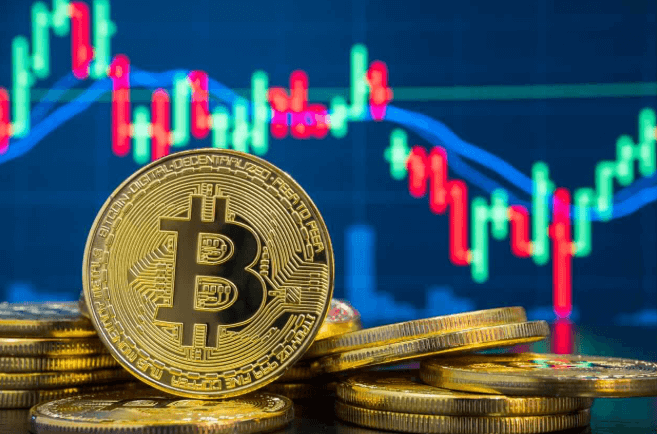
Technical analysis also presents a mixed picture. While Bitcoin has managed to hold key support zones, it still faces overhead resistance levels formed during the recent decline. A sustained rebound would likely require a clear break above these resistance areas, supported by rising volume and renewed spot demand.
Market sentiment remains cautious but less fearful than during previous downturns. Instead of panic selling, many investors appear to be waiting for confirmation of a trend before making major moves. This transition from fear to patience can be an early sign that the market is entering a consolidation phase, which often precedes larger directional moves.
In summary, multiple indicators suggest that Bitcoin’s selling pressure is diminishing, particularly among long-term holders and large investors. While this does not guarantee an immediate price surge, it does improve the conditions for a potential rebound if demand strengthens. The coming period will be critical in determining whether Bitcoin can convert reduced selling pressure into renewed bullish momentum, or if it will continue to trade sideways while the market searches for a clear catalyst.
Disclaimer: This article is for informational purposes only and is not investment advice. Investors should research carefully before making any decisions. We are not responsible for your investment decisions.